

HomeGeneral pest
Los Angeles + Orange County
General pest
Termites are not the only thing living in your house.
Five pests, five different reasons they are there. Killing what you can see is the easy half. The half that lasts is closing whatever let them in.
Symptoms
What are you seeing?
Four things people call about. Pick the one that sounds like your house and we will tell you what it usually is and what it usually takes.
Most likely
Drywood termites.
They live in the wood, not the soil, so there is nothing to treat from the ground. The pellets are their droppings, pushed out of a kick hole. The wings are what a swarmer leaves behind. Both mean a colony is already inside the structure.
What it usually takes
Usually a spot treatment in the one member that is infested. A whole-structure tent when there are multiple colonies or the members cannot be isolated.
Bed bugs.
Small, flat, and patient.
Red to brownish, about the size of an apple seed, and they feed on blood. They work at night while the host is asleep, and they can go a year without a meal.
The places they live are not only the mattress. Seams, sheets, the bed frame, the furniture beside the bed, and anything upholstered in the room. Once they find somewhere comfortable they feed and multiply.
Washing bedding and clearing clutter slows them. It does not clear a room, because the ones behind the baseboard and inside the frame are not in the laundry. This is an inspection and a treatment, not a cleaning job.
Note A reaction on the skin is not proof, and no reaction is not proof of absence. The inspection looks for the insects and the signs they leave.
Ants.
A chemical road map pointing at your kitchen.
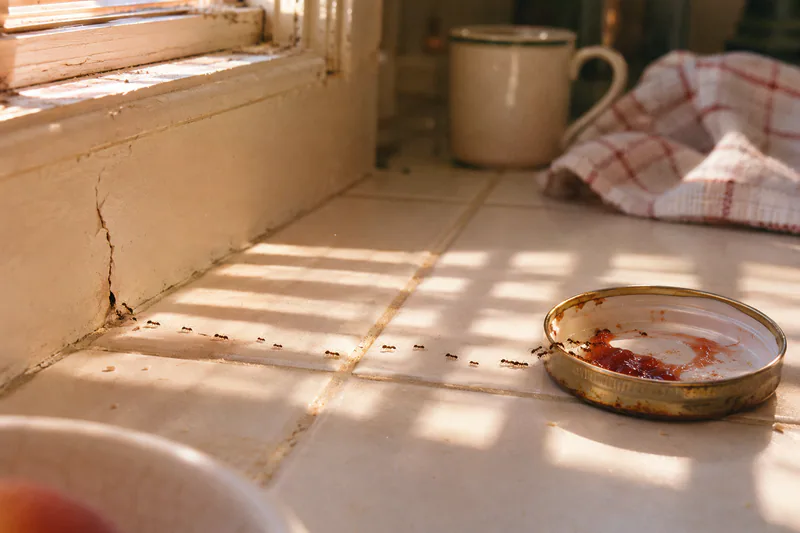
They come in through gaps you would not call a gap, looking for water, sweets and grease. The trail they leave behind is a pheromone line that the next hundred ants follow.
They colonise almost anywhere and move when it suits them, which is why spraying the ants you can see is usually a temporary fix. The colony is somewhere else.
A treatment that reaches the colony, plus sealing the entry points around the kitchen, is what stops the return.
Cockroaches.
Warm voids, and anything edible.
Up to two inches, winged, and mostly not flying. They invade residences and feed on what people leave behind — crumbs, dirty dishes, toothpaste.
They get in through cracks and pipe openings, and with food and warmth they are active all year. They are nocturnal, so seeing one in daylight usually means the harbourage is crowded enough to push them out.
The treatment is the harbourages plus the moisture and food that keeps them there. Glue boards tell us where they are before anything is applied.
Fleas.
The eggs are in the floor, not on the pet.
Adults are about 2.5 mm and live on furry animals. They feed on blood and leave behind the fecal matter that reads as pepper flakes in the bedding.
The eggs are laid on the ground, not carried on the host, which is why treating only the animal does not clear a room. They hatch and start feeding within a day or two.
Grooming and vacuuming remove part of the population. Sealing the cracks and holes that let rodents and other small animals in removes the supply. The treatment handles the rest.
Note Fleas and their fecal matter can carry disease, which is the reason to treat a room properly rather than repeatedly.
Rodents.
Teeth that grow, and a gap you would not believe.
Mice come in for food, water and warmth. Rats are wary of anything new and carry what the ticks and fleas on them carry. Both gnaw, and both breed quickly. Neither hibernates.
They squeeze through openings far smaller than the animal. That is the whole problem: a building with a mouse in it has a hole in it, and the hole is findable.
Exclusion is the fix that lasts. Sealing the entry points and getting food into containers is the treatment; trapping and baiting without it just resets the clock.
The four pests, close up.
Plates from the owner's own files, at the scale you would see them under a lens rather than across a floor.
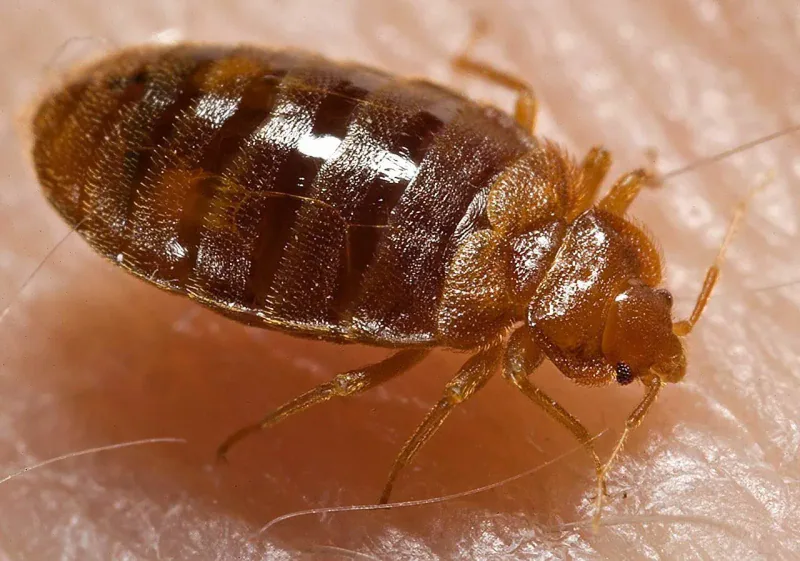
Flat, apple seed sized, feeds at night. Mattress seams and the frame, not just the mattress.
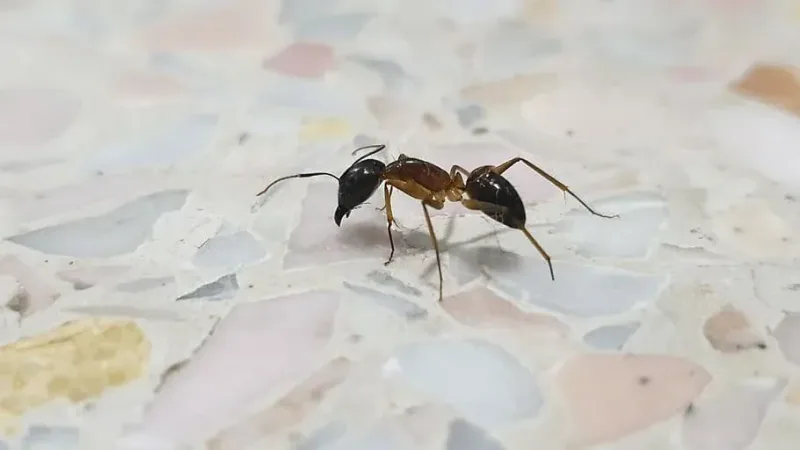
Follows a pheromone line to the food source. The visible ants are a fraction of the colony.
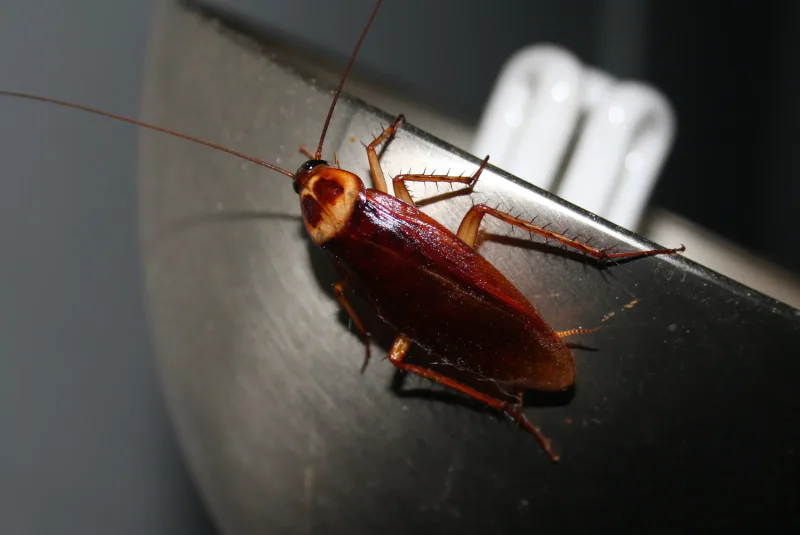
Nocturnal and active year round in a warm kitchen. Daylight sightings mean the harbourage is full.
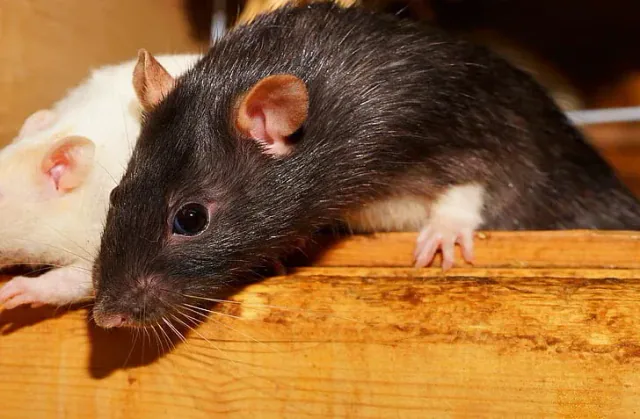
Gnaws to keep its teeth down and squeezes through openings far smaller than its body.
What a visit actually is.
An inspection first, because the treatment depends on which pest it is and where it is coming from. Then the treatment. Then the part most companies skip: the exclusion work that closes the openings, seals the pipe penetrations and removes the food and water that made the place worth coming back to.
One visit or a route. Some problems are one-time — a rodent exclusion, a bed bug treatment, a flea clean-out. Others come back seasonally, and a quarterly route is cheaper than four emergency calls.
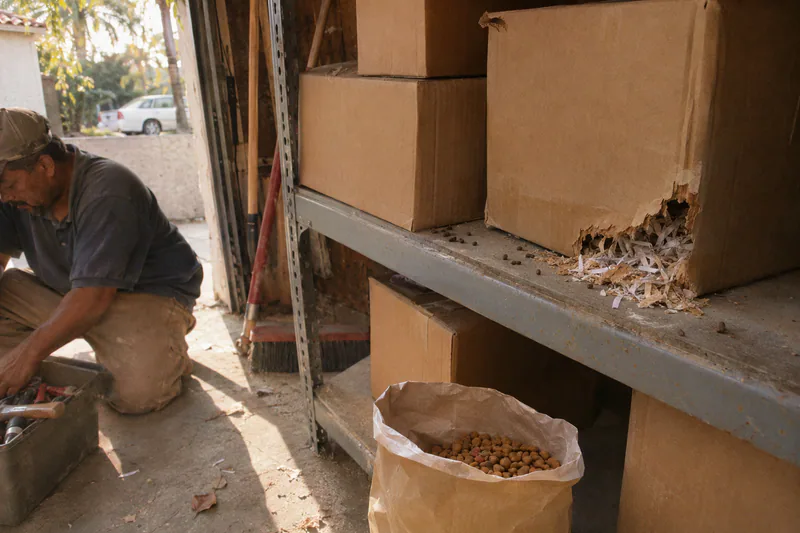
Tell us what you are seeing.
If you can describe it — size, where it was, what time — we can usually tell you what the visit will involve before we book it.