
(213) 388-4506

HomeQuestions

Los Angeles + Orange County

Questions

Everything people ask before they book.

Termites, damage, cost, and whether this is a job you can do yourself. The answers below are the ones we give on the phone, written down so you do not have to call to get them.

Call (213) 388-4506
Questions
14 answered
Cost
Published ranges
Call
Free inspection
Next
Free, written, no obligation.
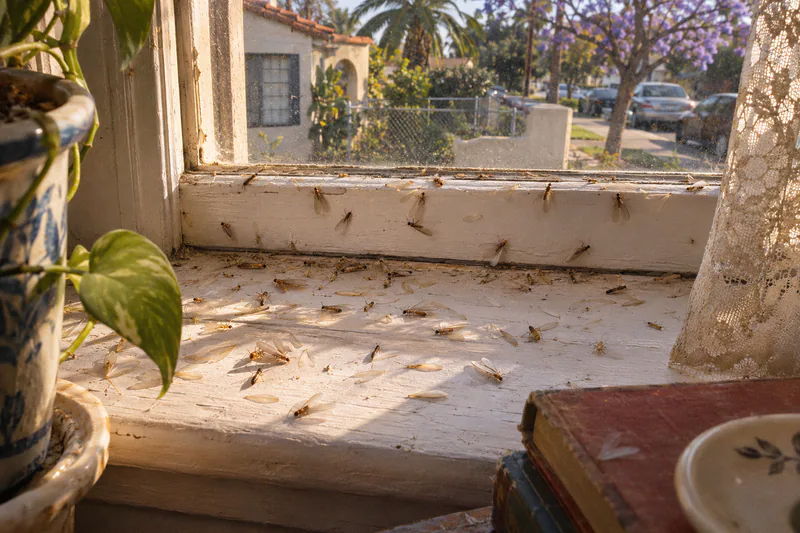
Drywood termite swarmers gathered on a window sill and frame in a Los Angeles living room.
Field frameDrywood termite swarmers gathered on a window sill and frame in a Los Angeles living room.
01

First, what they are.

01What are termites?

Termites are called the silent destroyer because they can be hidden and thriving in a basement or an attic with no immediate sign of damage. Different species eat different things and prefer different climates, but all of them need four things: food, moisture, shelter and a temperature that suits them.

Every house, whatever it is built from, can supply those four. That is not a reason to panic. It is a reason to look.
02How did they get into my house?

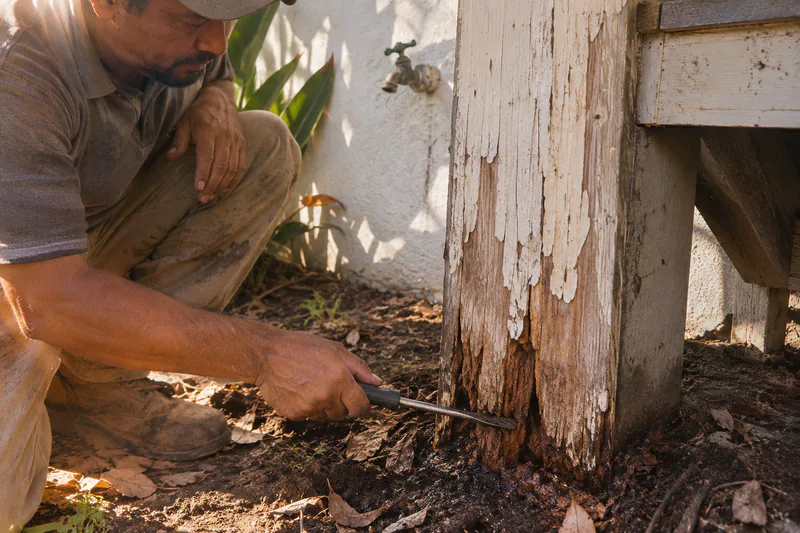
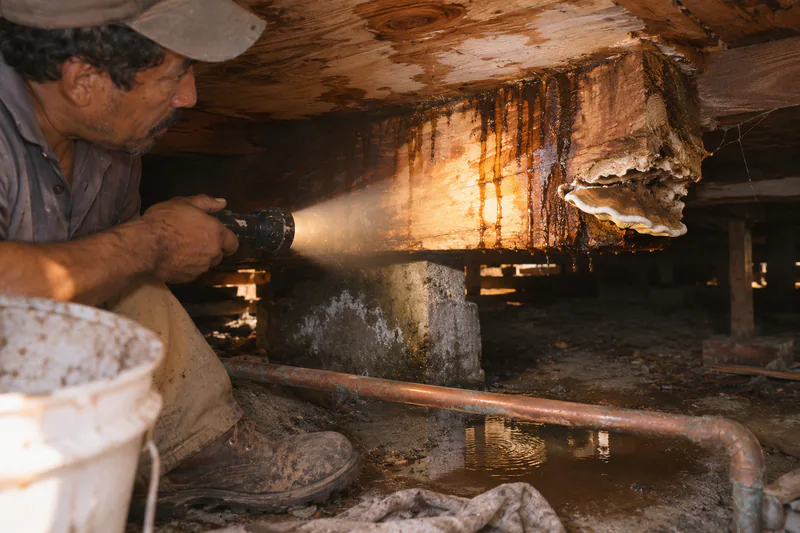
The most common route is wood to ground contact: door frames, deck posts, porch steps. Those are the gateways. Subterranean termites also come through cracks in the foundation and in brick mortar.

They come in to feed. They thrive on moisture and heat and eat wood, which is why they appear as the weather warms and why they turn up near anything that stays damp — a puddle by the foundation, the condensate line by the air conditioner, the ground that is still wet from winter rain.

03How do I know if I have them?

Honestly, you usually do not until you see them. There is no reliable way to know from the outside. They come out in spring and early summer as it warms, because they need to feed and reproduce.

What you can look for is the evidence they leave: pellets that look like coarse sawdust, discarded wings, mud tubes on a foundation, a board that sounds hollow when you knock it. Any of those is a reason for an inspection, and the inspection is free.

02

The two termites that matter here.

01Western drywood termite

They do not live in the ground. They live in wood with 12 percent moisture or less, which means the structure of the house itself: structural timbers, framing, furniture, hardwood flooring. September and October are their season.

Wood they have eaten looks clean and smooth, as if it had been sanded. They can hold several separate colonies in one house — a basement, an attic, a porch — and they can survive in a climate with air conditioning well outside their natural range.

Because there is no soil contact, there is nothing to treat from the ground. That is why drywood work is either a spot treatment in the infested member or a tent over the whole structure.

02Western subterranean termite

About 3/8 of an inch, and they live in the soil. The workers build the mud tubes that lead from the ground to the wood, which is why the tube is the thing to look for.

They prefer soft spring wood, so the damage has a honeycombed look with only the grain left. A colony can hold thousands of workers, and they are found in every state but Alaska.

The treatment goes into the soil at the entry points, and the earth to wood contact still has to be corrected.

03Swarmers

Winged termites, poor fliers, and the first visible sign that a colony is mature. They leave the nest in spring or fall, depending on the species and the weather, usually during a brief window in the morning or afternoon.

They are about 3/8 of an inch, brown to black, with four wings and a broad body. Seeing them outside is not an emergency. Seeing them inside, or finding the wings they drop, is.

03

Damage, and how bad it is.

01How is the wood damaged?

A colony needs about five years before it can do serious structural damage, which is the good news. Untreated, they can take a floor or a roof to the point of failure, which is the bad news.

That gap — five years before it matters — is exactly why early detection is worth more than any treatment. It is the whole argument for a free inspection.

02What are the signs of damage?

Tubes within the wood. Mud tubes on a foundation or a pier, leading back to soil. Wood that sounds hollow. Paint that has begun to bubble or crack in a line. Pellets below a small hole.

03Are termites dangerous?

Not to your health. They do not carry diseases to people or pets, though a bite can sting and some people react to it, and there is a link to asthma attacks in people who are prone.

The real threat is the building. In a few years a colony can take out the interior structure of a house and cost tens of thousands of dollars in wood repair, and because they go undetected, the first sign is often the only warning you get.

What it costs.

The three numbers from our own FAQ answer, in one place.

  • 01

    Free WDO inspection

    Interior, exterior, garage and the areas you flag.

    Free

  • 02

    Spot treatment

    Depending on how many separate places the termites are in.

    $100 – $300

  • 03

    Whole-structure fumigation

    Square footage, the method and the chemical all move it.

    $1,500 – $3,000

Spot treatment is the inexpensive end because it is local. Fumigation is the expensive end because the whole structure is treated at once.

05

Doing it yourself, and what it takes.

01Can I treat this myself?

Sometimes. Over-the-counter products can work on a small, visible, contained problem, and they are not recommended for anything else.

The two reasons are the chemistry and the detection. These are harmful chemicals and the label is not a suggestion. And because finding termites is genuinely difficult, you can treat one area thoroughly and miss the colony two feet away. You will think you saved money until the wood repair and the second treatment arrive.

02What about the conditions that caused it?

Earth to wood contact, faulty grade, cellulose debris under the house, excessive moisture. Those four are what the Section 2 list is made of.

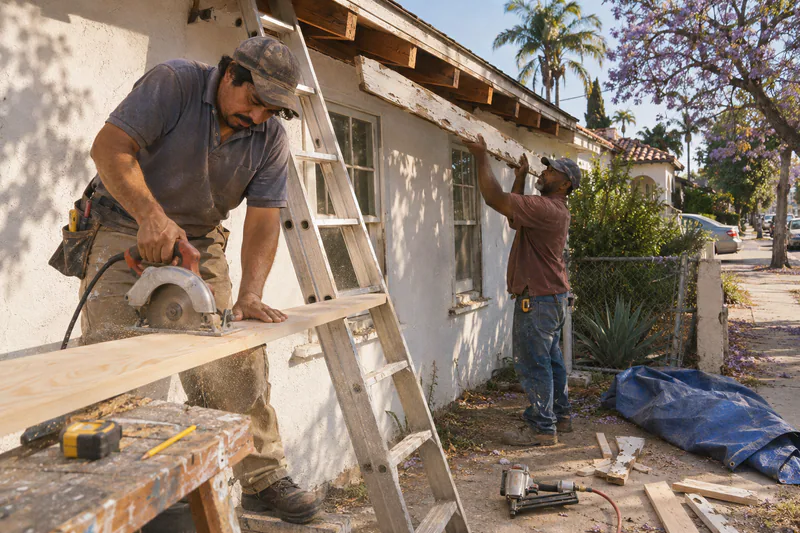
Correcting them is not optional housekeeping. A treatment that leaves them in place is dealing with the symptom, and the report will say so.

The four things people mistake for each other.

Plates from the owner's own files. If you are trying to name what you saw, these are the candidates.

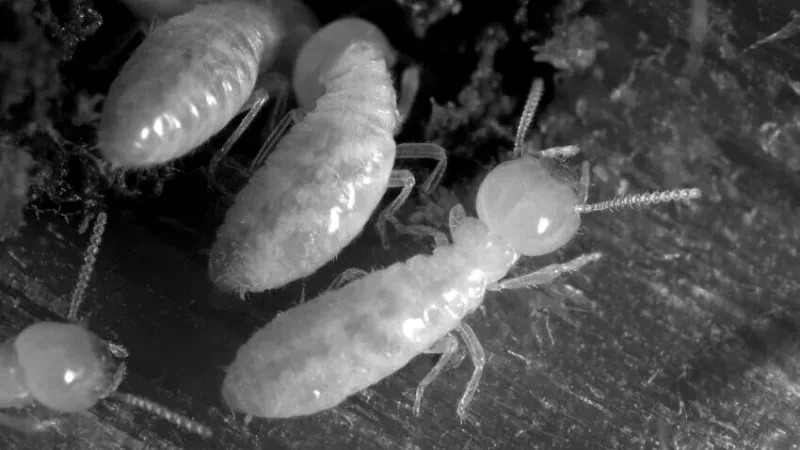
  • Drywood termite workers and soldiers, photographed through a lens in black and white.

    Termite

    01

    Straight body, no waist, four wings of equal length when it swarms.

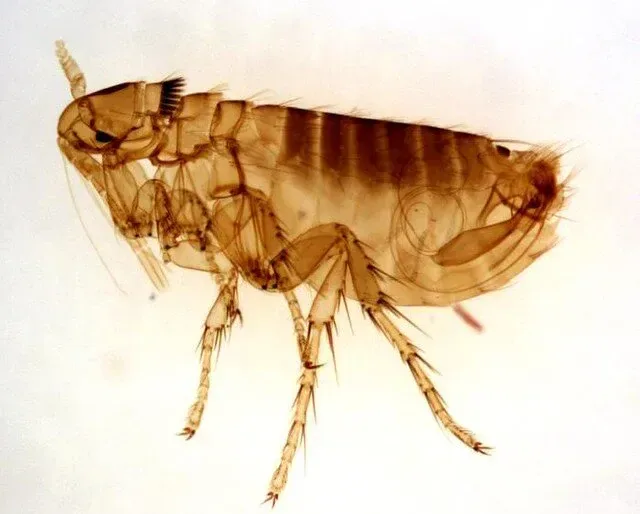
  • A flea photographed from the side on a pale ground.

    Flea

    02

    Sideways flat, jumps, and the bites are usually at ankle height.

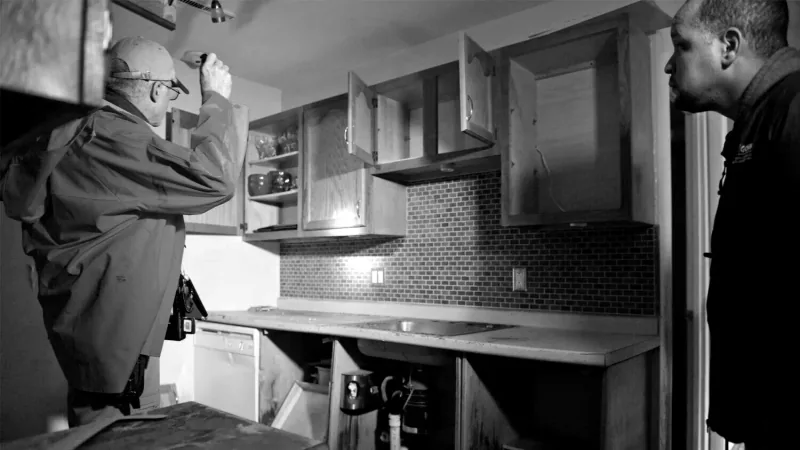
  • Two people examining the underside of upper kitchen cabinets, photographed in black and white.

    Under the sink

    03

    Where the water damage that becomes fungus damage usually starts.

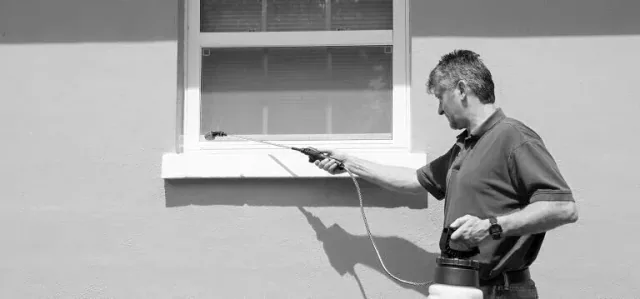
  • A man spraying the underside of a window frame, photographed in black and white.

    The treatment

    04

    Direct contact with the member, not a broadcast spray around the room.

Three ways it gets in.

Still not sure? That is what the inspection is for.

The limited inspection is free, and a clean report is a real answer.

Call (213) 388-4506

A1 Free inspection request

Four fields, then we call you back.

Call (213) 388-4506

Valid fields are saved as a draft on this device, never sent.